Winning social media strategies for restaurants in [City]
Actionable tactics for independent and multi-location restaurants in [City] to grow reach, boost bookings, and track ROI.
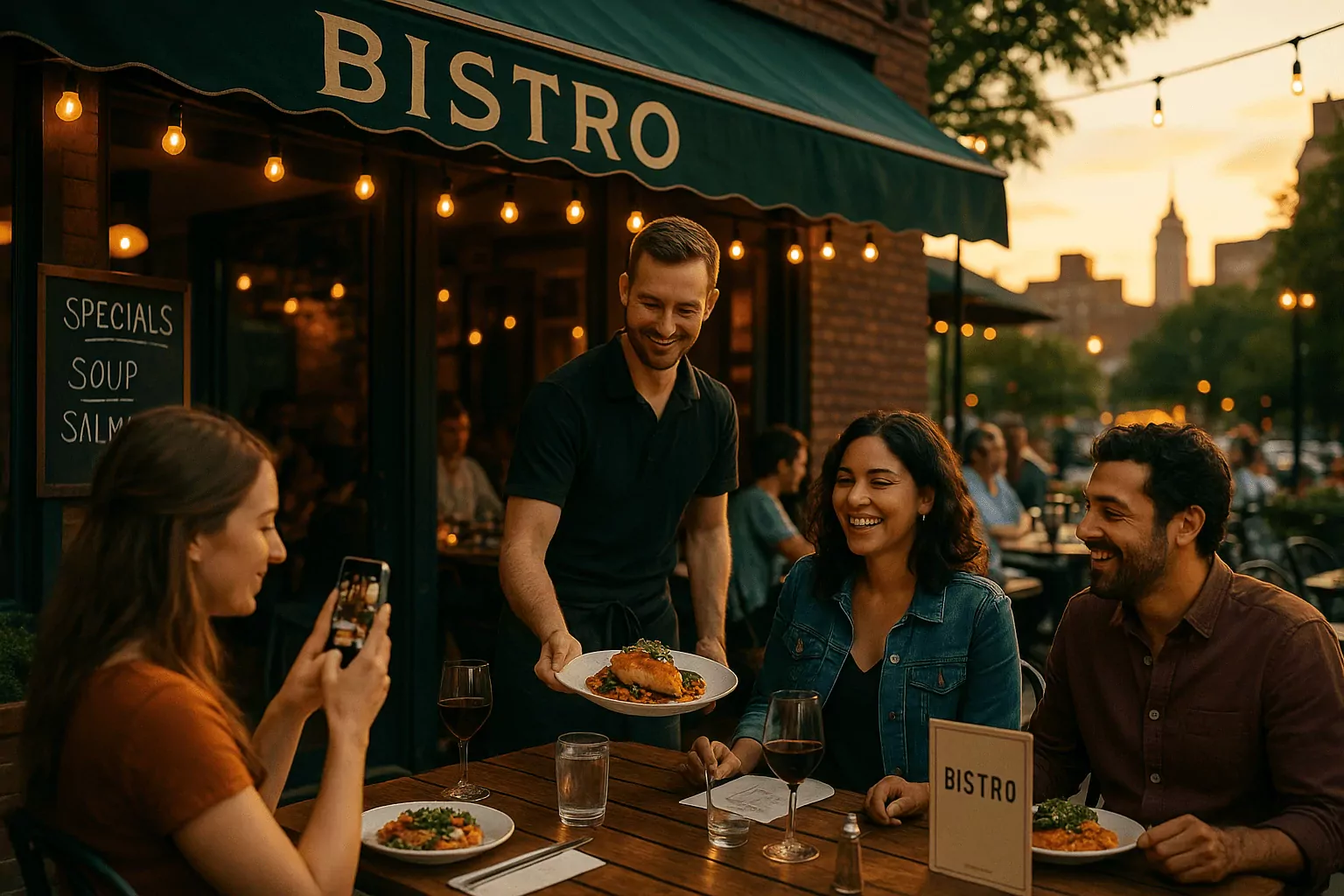
Build a Local-First Content Plan
Social media strategies for restaurants in [City]: Audience and content fit
Effective social media strategies for restaurants in [City] begin with a precise understanding of who eats with you and why. Map your primary diner segments-weekday lunch regulars, weekend date-night couples, and delivery-first families-and align content to their moments. This foundation makes restaurant social media marketing [City] feel relevant, timely, and personal rather than generic. Start a rolling doc of diner questions, objections, and cravings to guide topics and creative. Calibrate tone and pacing to match neighborhood energy, from fast-casual hustle to white-tablecloth calm.
Build themes that repeat, so audiences know what to expect and when to return. Anchor weekly slots around menu highlights, behind-the-scenes prep, community involvement, and timely offers that solve real needs. Use local restaurant marketing tips rooted in seasonality, school calendars, sports schedules, and weather to keep content fresh. Pair every theme with a clear micro-goal, such as comments, saves, shares, or clicks, to shape calls to action. Track which themes move the needle and double down without drifting from your brand.
Showcase menu, moments, and staff stories with intent
Plan content around stages of hunger, from spark to decision, and script visuals to match. Close-up dish shots build desire, while short clips of sizzling, pouring, and plating show craft and care. Spotlight the humans behind the food to earn trust-chef tips, line-cook wins, and server recommendations make your feed a place diners want to support. Add practical info in captions-price ranges, dietary notes, and portion cues-so posts answer questions that block bookings. Use Instagram marketing for restaurants to test carousels for storytelling and Reels for reach.
Balance polish with authenticity to feel local and approachable. Mix pro photography with well-lit phone footage, and keep a nimble shot list taped to the pass for busy services. Batch-capture weekly to maintain quality without scrambling day to day. Encourage staff to propose ideas, then curate centrally to maintain brand voice and consistency. Reuse top performers across platforms with fresh hooks to maximize mileage.
Consistent posting calendar aligned to diner demand
Set a cadence you can keep: three to five feed posts weekly, plus daily Stories during peak windows. Post when your audience is active and hungry-pre-lunch, pre-dinner, and weekend mornings for planning. Align specials and announcements with shopping cycles and payday weekends to lift conversion. Build a 30-day calendar that plots themes, formats, and owners, then lock in assets every Friday for the week ahead. Add guardrails for urgent changes like sell-outs, weather shifts, or pop-ups.
Consistency compounds discovery across platforms' algorithms and human habits. Use scheduling tools to protect your time while staying responsive in comments and DMs. Repurpose top posts into short email segments and table tents to reinforce messaging offline. Track reach, saves, and clicks to learn which days and hooks perform, then refine. Keep a standing review to prune underperformers and scale what works.
Optimize Profiles for Local Discovery
Bios and keywords that signal [City] to searchers
Treat your profiles as mini homepages optimized for local intent. Include neighborhood names, cuisine, standout dishes, and accessibility notes to match common searches. Add reservation links, order buttons, and click-to-call so guests can act fast. Use consistent NAP (name, address, phone) and hours across platforms to strengthen local SEO. Fold in restaurant social media marketing [City] best practices like keyworded highlights and Story covers for fast answers.
Write bios in plain language that says what you serve, for whom, and why it's special in [City]. Include a branded hashtag and a community tag to gather content efficiently. Keep the first line value-forward to earn follows within seconds. Rotate bio links to match promotions and seasonal menus, and label links clearly to reduce friction. Revisit quarterly to reflect menu shifts and guest feedback.
Geo-tags and hashtags that expand reach in [City]
Always tag your exact location to appear in map searches and local discovery feeds. Build a layered hashtag set: core cuisine and dish tags, neighborhood and city tags, and event-based tags tied to what locals follow. Avoid stuffing; focus on relevance and rotate lists to prevent spam flags. Track which combinations lift impressions and saves, then standardize for your team to use. Pair with Instagram marketing for restaurants tactics like pinning top posts on your profile for evergreen visibility.
Create a branded hashtag and invite guests to use it for easy curation. Monitor city event tags to join timely conversations with authentic ties, not random promotions. Use local restaurant marketing tips to tailor hashtags to festivals, sports wins, and weather moments. Test Story location stickers during peak times to surface on city Stories. Document hashtag do's and don'ts in your playbook for consistent execution.
Cohesive visuals that match your neighborhood vibe
Build a simple style guide that reflects your space: color palette from your interior, type choices that echo your menu, and lighting that flatters food. Keep framing, angles, and backgrounds consistent so your grid feels intentional. Feature recognizable local elements-murals, skyline peeks, or market bags-to root your brand in [City]. Caption in a voice that mirrors your floor hospitality: warm, efficient, and specific. Use user-generated content for restaurants thoughtfully, crediting creators and aligning to your visual standards.
Refresh key brand shots seasonally to keep visuals aligned with menu changes. Capture both hero dishes and high-frequency sides so guests see what they actually order. Build a reusable shot list for new items and events to speed production. Encourage staff to submit on-brand photos for a monthly feature, motivating quality through recognition. Audit quarterly to retire dated images and celebrate what sells.
Engage and Grow an Active Community
User-generated content for restaurants and micro-influencers
Design moments that invite sharing: photogenic plating, playful table toppers, and visible handles with your branded hashtag. Comment quickly on tagged posts and ask permission to reshare, then spotlight guests in Stories and carousels. Create a simple UGC policy so staff knows how to request rights and give credit. Partner with micro-influencers who actually dine in your area for credible reach, offering tasting menus in exchange for honest coverage. Prioritize long-term relationships over one-off blasts for sustained lift.
Package creator briefs with clear expectations, menu context, and timelines while preserving authentic storytelling. Offer weekday slots to avoid service strain and ensure creative bandwidth. Track creator posts for saves, shares, and click-throughs, not just vanity reach. Fold standout UGC into paid retargeting where you have permissions, amplifying social proof. Keep user-generated content for restaurants central to your mix because peers persuade better than brand posts alone.
Contests, offers, and loyalty hooks that feel native
Run light-lift contests that reward engagement you value, like photo posts, comments, or Stories shares. Offer prizes that drive visits-chef's table seats, limited dishes, or gift cards-rather than generic gadgets. Tie promos to calendar moments in [City] so they feel timely and local. Keep mechanics simple and transparent, with clear dates, eligibility, and how to claim. Announce winners publicly to close the loop and build trust.
Use Stories stickers for polls and sliders to guide menu tests while boosting interaction signals. Convert one-time offers into loyalty by capturing emails or opt-ins at redemption. Stack small surprises, like midweek add-ons, to build habit without discounting your brand away. Document what spikes reservations versus what only drives likes, then invest accordingly. Apply local restaurant marketing tips to tailor rewards to neighborhood preferences.
Reviews, comments, and DMs handled with hospitality
Frequently Asked Questions
Social media strategies for restaurants in [City]: From post to booking
Bridge the gap from attention to action with frictionless paths. Add reserve and order buttons, pin posts with clear CTAs, and keep your link-in-bio updated to match campaigns. Use Story highlights for menus, hours, parking, and private dining so planners convert quickly. Pair mouthwatering visuals with direct next steps, like "Book Friday dinner" or "Order the limited ramen before it's gone." Draft captions that state availability, urgency, and how to act in one breath.
Smart spending on Facebook ads for restaurants
Start with a modest budget focused on tight geo-radii around your location and lookalikes built from past bookers. Promote your highest-converting organic posts to warm audiences before building bespoke creatives. Segment campaigns by goals-reach for awareness, traffic for menus, and conversions for reservations-with clear, single-minded CTAs. Test short videos and 1:1 or 4:5 formats, which often outperform in feeds. Use Instagram marketing for restaurants ad placements to catch planners scrolling pre-meal.
Track KPIs, attribution, and iterate weekly
Define success before you post: reservations, average check lift, order volume, and guest frequency. Build a simple dashboard that merges platform data, POS figures, and reservation logs. Tag links consistently so campaign-level impact is visible beyond likes. Review weekly with your team to celebrate wins, fix bottlenecks, and assign experiments. Commit to two tests per week-hook lines, thumbnails, or posting times-and log results.
What platforms work best for restaurants in [City]?
Prioritize Instagram and Facebook for visual storytelling, local reach, and built-in booking and messaging tools. Instagram Reels and carousels surface your food and vibe, while Stories keep you top of mind during planning windows. Facebook's Events and Groups help you tap neighborhood activity and repeat guests. Consider TikTok if you can sustain playful, fast-paced content tied to your brand. Keep Google Business Profile current as a conversion layer alongside social. Match platforms to your resources and audience first, not trends.
How often should we post without overwhelming followers?
Aim for three to five feed posts per week and daily Stories around meal times, adjusting to your team's capacity. Consistency beats bursts, so set a sustainable baseline and layer temporary pushes for launches or holidays. Watch saves, replies, and profile visits; if these rise, your cadence is healthy. If reach dips and unfollows climb, reduce frequency and refine quality. Rotate themes so the mix feels varied even at higher volumes. Use local restaurant marketing tips to time posts to city rhythms and event cycles.
How can we measure ROI from restaurant social media marketing [City]?
Define conversion goals tied to revenue-reservations, orders, and private dining inquiries-then instrument links with UTMs for clarity. Pull platform analytics, booking engine data, and POS sales into a simple weekly sheet. Track cost per reservation for paid, and reservation lift for organic, to see true impact. Compare promo windows to baseline weeks to isolate influence, and factor in hold rates and average check. Ask hosts to tag "saw on Instagram" at booking and tally mentions for directional insight. Over time, align content and spend to what consistently drives seats, not just clicks.