Online Course for Restaurant Marketing [City] to Boost Sales
Actionable, local-first training for restaurant owners and managers in [City] to drive traffic, reservations, and repeat visits.
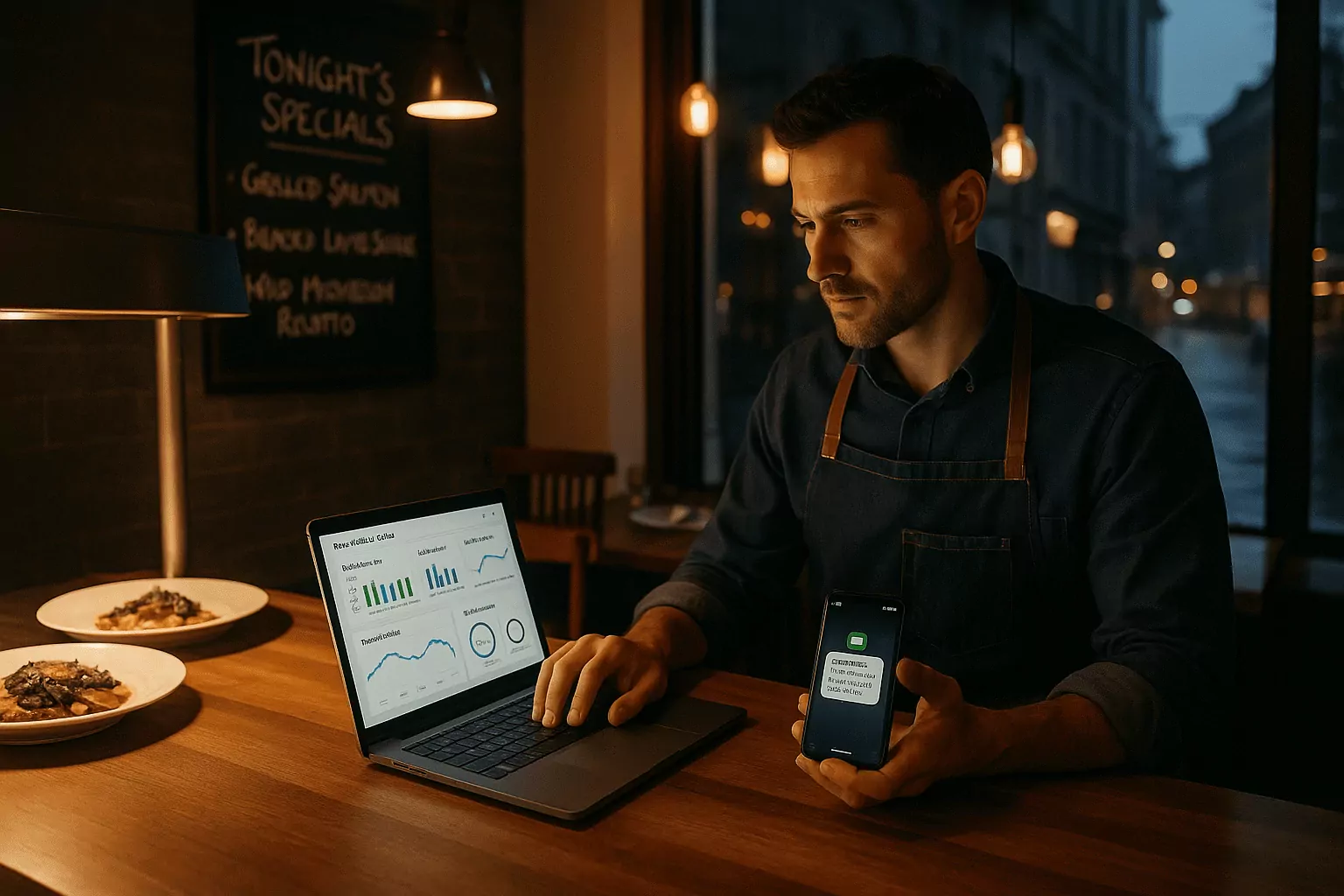
Who This Training Fits and What You'll Master
Owners, managers, and marketers in [City]-problems solved
If you run a busy dining room or a growing ghost kitchen, an online course for restaurant marketing [City] gives you a proven plan to attract nearby diners. Many operators juggle social posts, ads, and promotions without a cohesive strategy or reliable metrics. This program replaces guesswork with local-first tactics that move the needle on reservations, takeout, and catering. You'll learn to spot seasonal demand, fill weak dayparts, and turn first-timers into regulars. Whether you're launching or scaling, you'll gain a repeatable system that fits real-world restaurant rhythms.
Typical challenges include inconsistent foot traffic, high ad costs, and a reliance on third-party platforms that erode margins. Inside this restaurant marketing course [City], you'll prioritize owned channels while getting more from marketplaces you still need. The syllabus focuses on fast wins first, then compounds into durable, brand-building habits. Expect practical templates you can plug into your calendar this week. By graduation, you'll market with confidence and spend smarter across every channel you choose.
Skills you'll build for near-term revenue wins
This local restaurant marketing training teaches you to optimize Google Business Profile, rank for "near me," and convert views to seatings. You'll build a content engine around specials, events, and neighborhood moments that your audience already cares about. The course shows how to create low-cost, high-return offers that increase average ticket without discount addiction. You'll script email and SMS sequences that spark reorders and fill slow hours. Finally, you'll master attribution, so every campaign is tied to cash in the drawer.
Beyond tactics, you'll gain operational skills that keep marketing consistent even on your busiest nights. We'll map a promotions calendar that aligns with prep, staffing, and inventory realities. You'll standardize photography, UGC requests, and review replies so the brand looks sharp at every touchpoint. The training also includes pricing psychology for menus, bundles, and limited-time offers. These skills help you grow sales predictably while protecting margins and guest experience.
Metrics and KPIs that matter in [City]
Forget vanity metrics; we zero in on reservations, order volume, average ticket, and repeat purchase rate. You'll benchmark impression-to-call ratios on Google, click-to-order rates on delivery, and opt-in growth for owned lists. The program explains channel-by-channel CAC and how to cap it by daypart or neighborhood. We'll track campaign lift by menu category to spotlight profitable items worth pushing harder. With these KPIs, you'll know exactly what to scale and what to stop.
You'll also monitor review velocity, photo freshness, and response time standards that impact local rankings. The course shows how to build dashboards that sync POS, delivery partners, and ad platforms. We use red-yellow-green thresholds so teams act fast without analysis paralysis. Over time, the data exposes seasonal patterns you can plan around instead of chasing. That clarity lets you invest with conviction and forecast with fewer surprises.
Why an online course for restaurant marketing [City] beats generic training
Generic digital advice misses supply constraints, table turns, and the realities of a Saturday rush. This hospitality marketing online class is designed for operators who live in prep sheets and P&Ls. Every tactic is framed by kitchen capacity, labor shifts, and guest experience standards. You'll get channel mixes that fit tight margins and real-world staffing. The result is a plan that your team can actually run week after week.
The course localizes strategy to the neighborhoods where your guests live, work, and order from. We tailor offers and creative to match [City] events, weather, and commuter flows. You'll see examples from venues like yours-full service, fast casual, bars, bakeries, and food trucks. That specificity keeps your message relevant and your spend efficient. It's why graduates outperform broader food business marketing certification programs.
Local Playbook: Winning Channels for Restaurants in [City]
Own the map pack with Google Business Profile
Your Google Business Profile is often the first menu your guest sees, so treat it like prime signage. We'll optimize categories, attributes, services, and menus to capture "near me" and cuisine queries. You'll structure posts around high-intent actions-call, book, order, and directions. Photo cadence and UGC prompts keep the profile fresh and improve conversion. Review management frameworks turn happy guests into public advocates quickly.
We'll connect tracking numbers and reservation links to measure real impact, not just views. Seasonal posts, event tie-ins, and limited-time menus keep you top of mind. You'll test structured menus inside GBP for higher order value and clarity. The training includes geo-focused copy templates that reflect [City] landmarks and colloquialisms. Used together, these steps anchor your digital storefront in local intent.
Social that sells: Reels, UGC, and neighborhood hooks
Short-form video is your fastest path to awareness and bookings in [City]. We'll storyboard reels around prep reveals, chef cameos, and guest reactions that spark saves and shares. You'll systemize UGC with table tents, QR prompts, and after-visit texts. Captions use neighborhood hooks and clear CTAs that point to book, order, or join. Paid boosts target tight radiuses and lookalikes built from your best guests.
We'll map themes to dayparts: lunch rush value, happy hour vibes, and late-night cravings. The course supplies weekly content grids and shot lists to avoid last-minute scrambles. You'll run creative sprints tied to events and micro-seasons unique to [City]. Results roll into dashboards that flag top performers to repurpose on ads. This is digital marketing for restaurants [City] built to drive action, not just likes.
Email, SMS, and loyalty that print money
Owned lists are your highest-ROI channel when built and messaged correctly. We'll grow opt-ins via check presenters, WiâFi gates, and online ordering touchpoints. Segments evolve from first-timers to VIPs, with offers calibrated to margin realities. Automations welcome, win back, and celebrate milestones with time-sensitive incentives. You'll set send cadences that respect service peaks and prep capacity.
We also integrate loyalty so rewards fuel frequency without over-discounting. Offers tie to profitable items and bundles, not just cart totals. Templates include subject lines, copy blocks, and creative notes you can reuse. Reporting surfaces revenue per send and per subscriber for clear scaling decisions. Done right, this local restaurant marketing training makes your CRM a revenue engine.
Influencers, partners, and press in [City]
Micro-influencers and neighborhood partners can outperform broad ads when vetted well. We'll build outreach lists, pitch angles, and comp policies that protect margins. Activations favor trackable offers and table-limited tastings to create scarcity. You'll document deliverables, repost rights, and deadlines to keep campaigns tight. Local press calendars help you time newsworthy moments for coverage.
Partnerships with gyms, offices, venues, and event organizers extend reach to high-intent audiences. We'll set up referral codes and cross-promos that are easy to redeem and measure. Creative kits give partners assets that match your brand and vibe. Case studies show how [City] collaborations fill weekdays and off-hours. The approach beats spray-and-pray and strengthens your neighborhood footprint.
Online Course for Restaurant Marketing [City]: Syllabus and Outcomes
Inside the online course for restaurant marketing [City]: Ads and attribution
We'll teach lean ad buying that prioritizes intent and proximity over broad reach. Campaigns center on search, map results, and short boosts to amplify best-performing posts. You'll build audiences from POS data and lookalikes from high-LTV guests. Budgets flex by daypart and weather to capture real demand spikes. Attribution connects clicks to orders, covers, and checks-so you scale what pays.
The course includes templates for copy, creative, and landing flows that remove friction. We'll compare marketplace ads to owned-channel spend to protect margins. Reporting cadences ensure weekly insights without overwhelming the team. You'll know when to pause, iterate, or double down with confidence. This is digital marketing for restaurants [City] engineered for ROI.
Content engine, reviews, and community presence
Consistency beats occasional bursts, so we'll systemize your content pipeline. Shot lists focus on hero dishes, behind-the-line moments, and guest stories. You'll schedule posts around local habits and commuting patterns in [City]. Review prompts trigger right after peaks to catch guests while emotions are high. Response frameworks turn issues into second chances and public proof of care.
We'll also align with local events, schools, and causes that fit your brand. Sponsorships and pop-ups become content and list-growth moments, not just expenses. Cross-posting with partners multiplies reach without extra ad spend. Over a quarter, the brand story compounds and rankings follow. These processes outperform a generic food business marketing certification approach.
Menus, pricing psychology, and profitable promotions
Menu design and pricing are marketing levers hiding in plain sight. We'll highlight high-margin items, anchor prices smartly, and bundle for perceived value. Promotions target slow hours and specific categories instead of blanket discounts. Copy and creative focus on cravings and convenience more than percentage off. The goal is to raise average ticket while keeping experiences memorable.
We'll build a 90-day promotions calendar tied to inventory and seasonality. Each offer includes KPIs, staffing notes, and prep impacts to avoid bottlenecks. You'll test thresholds, limited quantities, and reservation gates to manage demand. Templates speed up approvals so ideas ship fast. Owners gain predictable lift without training guests to wait for deals.
Onboarding, pace, and support throughout the journey
New students get a clear path: quick wins in week one, deeper systems by week four. Live Q&A and office hours keep you unstuck and moving. Checklists and SOPs help your team execute when you're on the line. We encourage small weekly commitments that add up without burning staff. Progress reviews align marketing with sales targets and labor plans.
The platform fits busy hospitality schedules with mobile-friendly lessons and bite-size modules. You'll find examples from venues across formats to mirror and adapt. Peer forums share what's working in [City] right now. Certification validates your skills for partners and landlords. It's a hospitality marketing online class designed for momentum and results.
Tech, Tools, and Templates Included
Checklist library and plug-and-play templates
Execution moves faster with well-designed checklists and templates. You'll get SOPs for photo shoots, UGC capture, and review replies. Campaign briefs standardize goals, budgets, and creative so approvals are smooth. We include prebuilt email flows, SMS scripts, and landing copy for common offers. Everything is editable to reflect your brand voice and menu focus.
Templates are field-tested in busy service environments. They minimize typing, back-and-forth, and last-minute scrambling. Your team always knows the next step and the standard of done. This structure keeps marketing alive even when the line is slammed. It's how local restaurant marketing training becomes daily practice.
Recommended stack for [City] restaurants
We'll help you choose tools that play well with your POS and team size. Priority goes to platforms that integrate reporting, reduce clicks, and cut fees. You'll get shortlists for reservations, waitlists, email/SMS, and social scheduling. The course covers photography kits that elevate visuals without pro crews. We balance capability with simplicity so adoption sticks.
Vendor comparisons include must-have features and red flags to avoid lock-in. We share negotiation tips and implementation timelines that won't stress the floor. You'll phase rollouts to capture value quickly and train staff in minutes. Support docs live in one place for easy reference. The end result is a lean stack you can actually manage.
Tracking dashboards and reporting cadence
Clear dashboards turn noise into decisions. We'll connect POS, delivery, ads, and GBP into a weekly scorecard. Visual thresholds flag where to act first and what to ignore. You'll review by daypart, channel, and offer so insights lead to changes. Reports fit in a 20-minute meeting and end with owners and tasks.
Templates include KPI definitions so everyone speaks the same language. We document how to tag campaigns and maintain clean data. You'll archive learnings each month to inform the next calendar. Over time, the compounding knowledge base becomes a moat. That's how a restaurant marketing course [City] sustains results.
Frequently Asked Questions
How long does the program take and what's the time commitment?
The core curriculum runs four weeks, with optional deep dives available afterward. Lessons average 20-30 minutes and include quick actions to implement that day. Most operators spend two hours per week executing templates and reviewing metrics. Live Q&A sessions are recorded so you can watch on your schedule. By week one you'll ship optimizations; by week two you'll see early KPI movement. The structure respects service peaks and keeps momentum steady.
Is the training relevant if I manage multiple locations in [City]?
Yes, the playbooks scale across multi-unit operations with location-level nuance. We'll set up shared assets and SOPs while allowing local menus and events to shine. Dashboards roll up performance so you can compare stores and allocate spend. Geo-targeting and dayparting make campaigns efficient for different neighborhoods. Review and UGC systems adapt to varied guest profiles across [City]. Multi-location case studies are included throughout the hospitality marketing online class.
Will I need a separate budget for ads and software?
You can complete the program using only organic channels, but paid boosts accelerate results. We recommend starting with a modest test budget and scaling based on ROI. The course provides lean tool stacks, often using freemium tiers or negotiated rates. We'll show how to reallocate low-performing spend from third parties to owned channels. Clear attribution ensures every dollar is accountable to covers or orders. Over time, smarter spending replaces higher spending.